
Starlink for Construction

The rise of AI is reshaping manufacturing – from smart assembly lines and predictive maintenance to real-time quality control. These AI-driven processes generate massive, unpredictable data flows that strain traditional networks. Manufacturers need connectivity that can keep pace: high-bandwidth links, ultra-low latency, and flexible, distributed architecture. Fortunately, modern SD‑WAN (software-defined WAN) is evolving to meet these needs.
Starlink Mining Revolution: Arista VeloCloud SD-WAN Optimisation
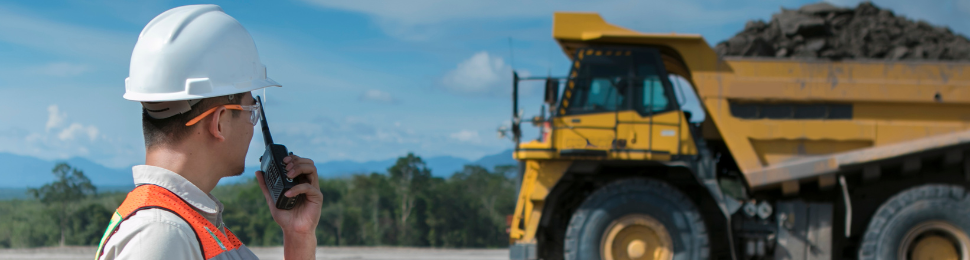
The rise of AI is reshaping manufacturing – from smart assembly lines and predictive maintenance to real-time quality control. These AI-driven processes generate massive, unpredictable data flows that strain traditional networks. Manufacturers need connectivity that can keep pace: high-bandwidth links, ultra-low latency, and flexible, distributed architecture. Fortunately, modern SD‑WAN (software-defined WAN) is evolving to meet these needs.
Digital Carbon Launches Battery Backup 4G Router for Always-On Connectivity

The rise of AI is reshaping manufacturing – from smart assembly lines and predictive maintenance to real-time quality control. These AI-driven processes generate massive, unpredictable data flows that strain traditional networks. Manufacturers need connectivity that can keep pace: high-bandwidth links, ultra-low latency, and flexible, distributed architecture. Fortunately, modern SD‑WAN (software-defined WAN) is evolving to meet these needs.
Starlink and Digital Carbon’s Co-Managed Services

The rise of AI is reshaping manufacturing – from smart assembly lines and predictive maintenance to real-time quality control. These AI-driven processes generate massive, unpredictable data flows that strain traditional networks. Manufacturers need connectivity that can keep pace: high-bandwidth links, ultra-low latency, and flexible, distributed architecture. Fortunately, modern SD‑WAN (software-defined WAN) is evolving to meet these needs.
Revolutionising Construction Connectivity

The rise of AI is reshaping manufacturing – from smart assembly lines and predictive maintenance to real-time quality control. These AI-driven processes generate massive, unpredictable data flows that strain traditional networks. Manufacturers need connectivity that can keep pace: high-bandwidth links, ultra-low latency, and flexible, distributed architecture. Fortunately, modern SD‑WAN (software-defined WAN) is evolving to meet these needs.
Why Internet Redundancy Is Non-Negotiable for Manufacturing

With high production targets, ensuring maximum uptime in a factory is critical. The ultimate goal is uninterrupted operations and a relentless 24/7 factory environment. Meeting stringent production schedules, maintaining quality control, and supporting complex logistical functions requires a robust, “always on” connectivity strategy. Therefore, Internet redundancy can be seen as a crucial element for business continuity.
The Future of Construction: Top 5 Tech Trends for 2025
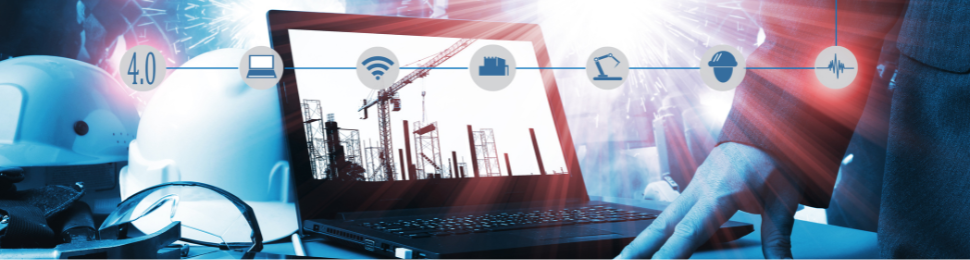
The construction industry stands at a pivotal moment, with technology poised to redefine how projects are planned, executed, and maintained. As we look toward 2025, several emerging trends are set to transform the sector-delivering gains in productivity, safety, sustainability, and efficiency. Here are the top five technology trends every construction professional should watch.
7 Best Security Practices for Your Generative AI Tools

Generative AI (GenAI) tools are transforming the way organisations operate, streamlining everything from content creation to workflow automation across sales, marketing, product development, and IT. With 65% of companies now using GenAI in at least one business function—and this figure set to rise—security is more crucial than ever. Without robust protection, these tools can expose your business to data breaches, cyber-attacks, and compliance failures.
The SD-WAN Solution: Elevating Wireless Connectivity for Manufacturing and Construction

Reliable, high-performance connectivity is essential in manufacturing and construction, where real-time data, IoT devices, cloud applications, and AI-driven systems are becoming the norm. However, traditional wireless connectivity has struggled to meet the rigorous demands of these industries, often falling short in terms of reliability, security, and performance.