
Securing the Hybrid Workplace

The rise of AI is reshaping manufacturing – from smart assembly lines and predictive maintenance to real-time quality control. These AI-driven processes generate massive, unpredictable data flows that strain traditional networks. Manufacturers need connectivity that can keep pace: high-bandwidth links, ultra-low latency, and flexible, distributed architecture. Fortunately, modern SD‑WAN (software-defined WAN) is evolving to meet these needs.
SD-WAN vs SASE for a Hybrid Workforce

The rise of AI is reshaping manufacturing – from smart assembly lines and predictive maintenance to real-time quality control. These AI-driven processes generate massive, unpredictable data flows that strain traditional networks. Manufacturers need connectivity that can keep pace: high-bandwidth links, ultra-low latency, and flexible, distributed architecture. Fortunately, modern SD‑WAN (software-defined WAN) is evolving to meet these needs.
What the Arista Acquisition of VeloCloud Means for the Future of Managed SD-WAN

In today’s manufacturing and enterprise environments, the old security adage of “trust but verify” is no longer enough. With the rapid adoption of cloud services, remote working, and the ever-increasing sophistication of cyber threats, IT managers are under pressure to rethink how their organisations approach network security. The answer for many is Zero Trust — a modern framework that’s transforming how businesses protect their data, users, and operations.
Zero Trust & Network Security: A Practical Guide for IT Managers

In today’s manufacturing and enterprise environments, the old security adage of “trust but verify” is no longer enough. With the rapid adoption of cloud services, remote working, and the ever-increasing sophistication of cyber threats, IT managers are under pressure to rethink how their organisations approach network security. The answer for many is Zero Trust — a modern framework that’s transforming how businesses protect their data, users, and operations.
Cybersecurity Framework for Smart Factories: 7 Essential Steps Every IT Manager Must Take
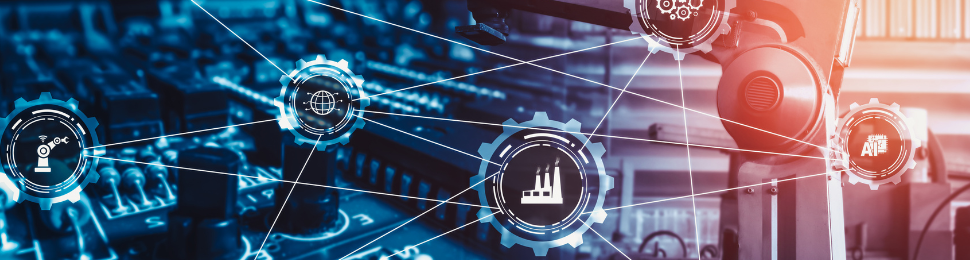
As smart factories become the cornerstone of modern manufacturing, integrating Industrial IoT (IIoT), AI-driven automation, and cloud platforms, cybersecurity has emerged as a non-negotiable priority. The convergence of operational technology (OT) and information technology (IT) creates unprecedented vulnerabilities, with cyberattacks on manufacturing now outpacing those on financial sectors.
Manufacturing Under Siege: 5 Critical Network Priorities That Could Save Your Business in 2025
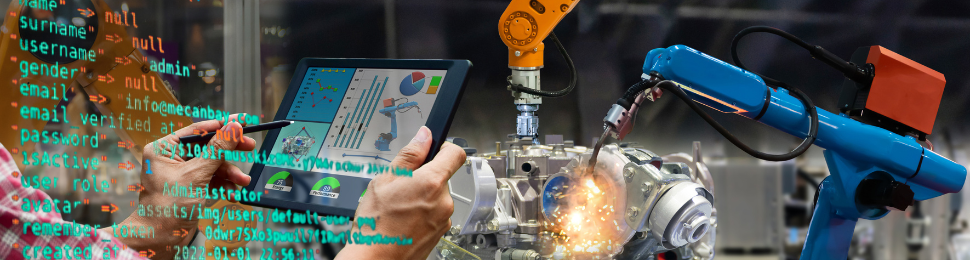
The manufacturing industry is facing an unprecedented cybersecurity crisis, and the statistics are genuinely alarming. A comprehensive survey reveals that 84% of manufacturing leaders fear malware and ransomware attacks above all other threats, whilst 68% of IT teams are dangerously understaffed to handle growing network complexities. With manufacturing accounting for 25.7% of all cyberattacks globally, IT managers can no longer afford to treat network security as an afterthought.
7 Best Security Practices for Your Generative AI Tools

Generative AI (GenAI) tools are transforming the way organisations operate, streamlining everything from content creation to workflow automation across sales, marketing, product development, and IT. With 65% of companies now using GenAI in at least one business function—and this figure set to rise—security is more crucial than ever. Without robust protection, these tools can expose your business to data breaches, cyber-attacks, and compliance failures.
Top 5 Technology Trends Shaping Manufacturing in 2025
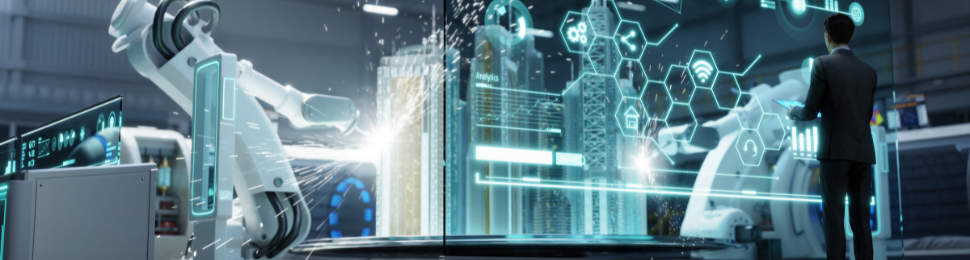
The past five years have been a whirlwind for manufacturers. From pandemic-induced supply chain disruptions to geopolitical tensions, economic shifts, and rapid digitalization, the industry has faced challenge after challenge. Yet, these disruptions have also paved the way for a more resilient, agile, and technology-driven future.
For IT leaders in manufacturing, 2025 is shaping up to be a year where digital investments will no longer be optional—they will be essential for staying competitive. As technology continues to redefine industrial operations, the focus is shifting from experimental implementations to full-scale digital transformation.
SD-WAN Leaders in the 2024 Gartner Magic Quadrant: Shaping the Future of Networking

In the fast-evolving world of enterprise networking, Software-Defined Wide Area Networks (SD-WAN) have become a cornerstone for organizations seeking agility, security, and performance in their networks. The 2024 Gartner Magic Quadrant for SD-WAN identifies six key Leaders that are driving innovation and adoption in this space: Broadcom (VMware), Cisco, Fortinet, Hewlett Packard Enterprise (HPE), Palo Alto Networks, and Versa Networks.
Difference Between SASE and SD-WAN

There are various technologies used for Wide Area Networking (WAN) connectivity. Two of the most popular technologies are Software-Defined WAN (SD-WAN) and Secure Access Service Edge (SASE). While there are some similarities between the two technologies, there are also key differences that make them well-suited for different use cases. SASE is relatively new, while SD-WAN has been around for a few years. However, to understand the similarities between SASE and SD-WAN, it is important to understand both the technologies and their evolution out of traditional WAN.