
Top 5 Technology Trends Shaping Manufacturing in 2025

The past five years have been a whirlwind for manufacturers. From pandemic-induced supply chain disruptions to geopolitical tensions, economic shifts, and rapid digitalization, the industry has faced challenge after challenge. Yet, these disruptions have also paved the way for a more resilient, agile, and technology-driven future.
For IT leaders in manufacturing, 2025 is shaping up to be a year where digital investments will no longer be optional—they will be essential for staying competitive. As technology continues to redefine industrial operations, the focus is shifting from experimental implementations to full-scale digital transformation.
The SD-WAN Solution: Elevating Wireless Connectivity for Manufacturing and Construction

Reliable, high-performance connectivity is essential in manufacturing and construction, where real-time data, IoT devices, cloud applications, and AI-driven systems are becoming the norm. However, traditional wireless connectivity has struggled to meet the rigorous demands of these industries, often falling short in terms of reliability, security, and performance.
Escape Broadcom’s Price Hike for VMware: The Smart Alternative

The tech industry has been rocked by Broadcom’s acquisition of VMware, bringing sweeping changes to licensing models and pricing structures. Businesses that have relied on VMware for their virtualisation infrastructure are now facing significantly higher costs due to the elimination of perpetual licences in favour of a subscription-based model. With reports of price increases reaching up to 700%, IT managers must urgently seek alternatives to avoid budget overruns.
Revolutionising Manufacturing Connectivity with LEO Satellites and VeloCloud

In the manufacturing industry, connectivity plays a critical role in powering operations, managing supply chains, and enabling advanced technologies such as IoT and automation. However, achieving reliable, high-speed internet access in remote or industrial areas has historically been a challenge. Traditional broadband solutions often fall short, leaving manufacturing facilities in connectivity dead zones.
Transforming Manufacturing Connectivity: How SD-WAN and WAN Optimization Work Together
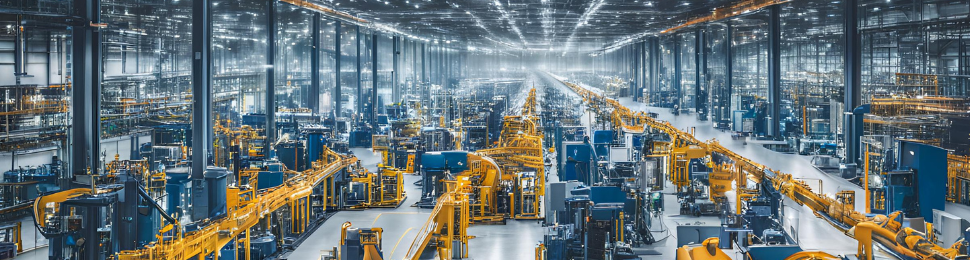
In today’s fast-evolving manufacturing landscape, connectivity is a crucial driver of productivity, efficiency, and innovation. The integration of advanced manufacturing systems, IoT devices, and real-time analytics platforms has placed unprecedented demands on enterprise networks. Manufacturers are no longer just factories—they’re highly interconnected ecosystems where speed, reliability, and seamless access to cloud and on-premises applications are non-negotiable.
Enhancing Network Connectivity to China for Manufacturing

The manufacturing industry relies heavily on seamless and reliable global communication, especially when it comes to coordinating operations, supply chains, and production lines spread across different regions. For manufacturers with operations in China, establishing high-performance network connectivity is crucial for ensuring that everything runs smoothly. However, connecting branch offices and factories in China with headquarters or supply chain partners in Europe, the United States, or other regions presents several unique challenges.
How to Improve Video Performance Through SD-WAN

SD-WAN is a relatively new technology that is being adopted by many organizations in order to improve their WAN performance. SD-WAN offers a number of advantages over traditional WAN solutions, including improved performance, lower costs and easier deployment. One of the main benefits of SD-WAN is its ability to improve video performance. Video is one of the most demanding applications when it comes to network bandwidth.
Achieve Multi-Cloud Activity Through SD-WAN

Multi-cloud activity is defined as the process of accessing and managing data, applications, and resources across multiple cloud environments. It involves the distribution of workloads and traffic across different cloud resources in order to improve performance, scalability, and availability.
SASE vs SD-WAN: Things You Need To Compare

The network edge is becoming an important part of the enterprise-owned network that is being used to provide a variety of services. Two of the most popular technologies for the network edge are Software-Defined WAN (SD-WAN) and Secure Access Service Edge (SASE). However, with the rise of new technologies, the network edge is evolving. Traditional technologies are being rapidly replaced with new solutions that provide more functionality and flexibility. One such example is the evolution of traditional Wide Area Network (WAN) into Software Defined-Wide Area Network. While SD-WAN has been around for a while, SASE is a newer term that is being used to describe a secure network edge.
How SD-WAN Reduces Cloud Risk

SD-WAN is quickly becoming a popular choice for businesses looking to optimize traffic and improve performance for cloud applications. However, what many people don’t realize is that SD-WAN can also help reduce the risk for cloud deployments. SD-WAN technology is growing in popularity as a way to reduce the complexity and risk of using cloud services. But what specifically does SD-WAN do to reduce cloud risk? In this article, we’ll take a look at how SD-WAN works and how it can help to take advantage of the cloud while keeping the data safe.