
Securing the Hybrid Workplace

The rise of AI is reshaping manufacturing – from smart assembly lines and predictive maintenance to real-time quality control. These AI-driven processes generate massive, unpredictable data flows that strain traditional networks. Manufacturers need connectivity that can keep pace: high-bandwidth links, ultra-low latency, and flexible, distributed architecture. Fortunately, modern SD‑WAN (software-defined WAN) is evolving to meet these needs.
How Small Businesses Can Build a Secure Global Network

The rise of AI is reshaping manufacturing – from smart assembly lines and predictive maintenance to real-time quality control. These AI-driven processes generate massive, unpredictable data flows that strain traditional networks. Manufacturers need connectivity that can keep pace: high-bandwidth links, ultra-low latency, and flexible, distributed architecture. Fortunately, modern SD‑WAN (software-defined WAN) is evolving to meet these needs.
Revolutionising Construction Connectivity

The rise of AI is reshaping manufacturing – from smart assembly lines and predictive maintenance to real-time quality control. These AI-driven processes generate massive, unpredictable data flows that strain traditional networks. Manufacturers need connectivity that can keep pace: high-bandwidth links, ultra-low latency, and flexible, distributed architecture. Fortunately, modern SD‑WAN (software-defined WAN) is evolving to meet these needs.
SD-WAN vs SASE for a Hybrid Workforce

The rise of AI is reshaping manufacturing – from smart assembly lines and predictive maintenance to real-time quality control. These AI-driven processes generate massive, unpredictable data flows that strain traditional networks. Manufacturers need connectivity that can keep pace: high-bandwidth links, ultra-low latency, and flexible, distributed architecture. Fortunately, modern SD‑WAN (software-defined WAN) is evolving to meet these needs.
Redefining Connectivity for AI-Driven Manufacturers

The rise of AI is reshaping manufacturing – from smart assembly lines and predictive maintenance to real-time quality control. These AI-driven processes generate massive, unpredictable data flows that strain traditional networks. Manufacturers need connectivity that can keep pace: high-bandwidth links, ultra-low latency, and flexible, distributed architecture. Fortunately, modern SD‑WAN (software-defined WAN) is evolving to meet these needs.
What the Arista Acquisition of VeloCloud Means for the Future of Managed SD-WAN

In today’s manufacturing and enterprise environments, the old security adage of “trust but verify” is no longer enough. With the rapid adoption of cloud services, remote working, and the ever-increasing sophistication of cyber threats, IT managers are under pressure to rethink how their organisations approach network security. The answer for many is Zero Trust — a modern framework that’s transforming how businesses protect their data, users, and operations.
Zero Trust & Network Security: A Practical Guide for IT Managers

In today’s manufacturing and enterprise environments, the old security adage of “trust but verify” is no longer enough. With the rapid adoption of cloud services, remote working, and the ever-increasing sophistication of cyber threats, IT managers are under pressure to rethink how their organisations approach network security. The answer for many is Zero Trust — a modern framework that’s transforming how businesses protect their data, users, and operations.
Why IT Managers in Manufacturing Need Robust Infrastructure and Co-Managed SD-WAN
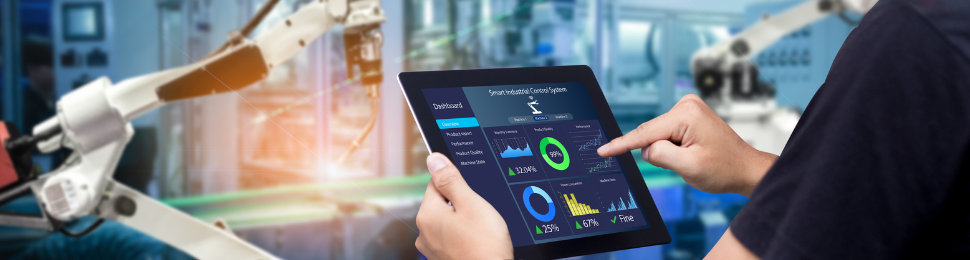
In the rapidly evolving world of manufacturing, the factory floor is no longer a collection of isolated machines and manual processes. Today’s factories are dynamic, highly connected environments where data flows as freely as raw materials. This transformation is being driven by the convergence of operational technology (OT) and information technology (IT), the rise of Industry 4.0, and the need to remain competitive in a global market. For IT managers, the challenge is clear: how do you build a digital backbone that is not only robust and secure but also agile enough to support innovation and growth?
Why Internet Redundancy Is Non-Negotiable for Manufacturing

With high production targets, ensuring maximum uptime in a factory is critical. The ultimate goal is uninterrupted operations and a relentless 24/7 factory environment. Meeting stringent production schedules, maintaining quality control, and supporting complex logistical functions requires a robust, “always on” connectivity strategy. Therefore, Internet redundancy can be seen as a crucial element for business continuity.
Cybersecurity Framework for Smart Factories: 7 Essential Steps Every IT Manager Must Take
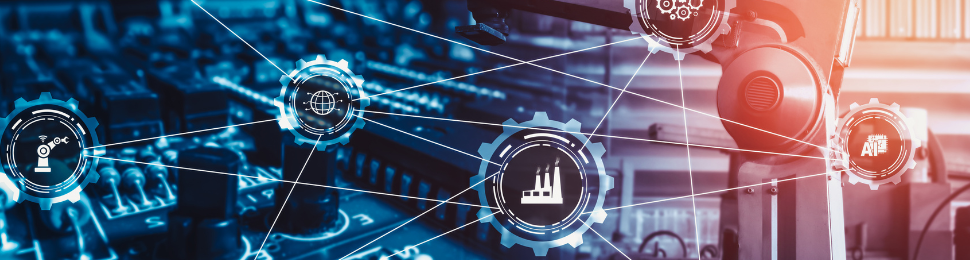
As smart factories become the cornerstone of modern manufacturing, integrating Industrial IoT (IIoT), AI-driven automation, and cloud platforms, cybersecurity has emerged as a non-negotiable priority. The convergence of operational technology (OT) and information technology (IT) creates unprecedented vulnerabilities, with cyberattacks on manufacturing now outpacing those on financial sectors.